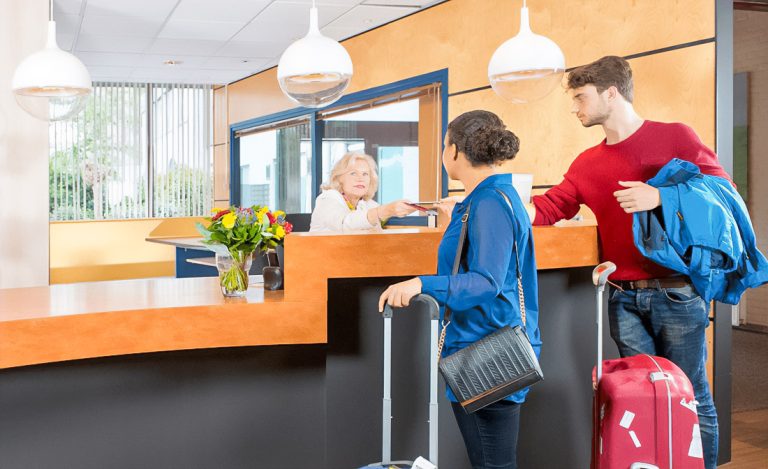
Queues at the reception have long ceased to be an “unavoidable evil” of the hotel business. For a guest, waiting after a trip is tiredness and irritation. For the hotel – the loss of the first impression, overloaded staff and errors in the data. That is why self-check-in and modern kiosk check in hotel solutions have, in recent years, moved beyond experimentation and become a practical tool for managing arrivals.
According to industry research, 73% of travellers prefer self-catering facilities, and 78% of guests explicitly state that they want to see more self-check-in kiosks. These figures do not reflect fashion but a change in guest behaviour.
What is a Self-Check-in Kiosk in Practice?
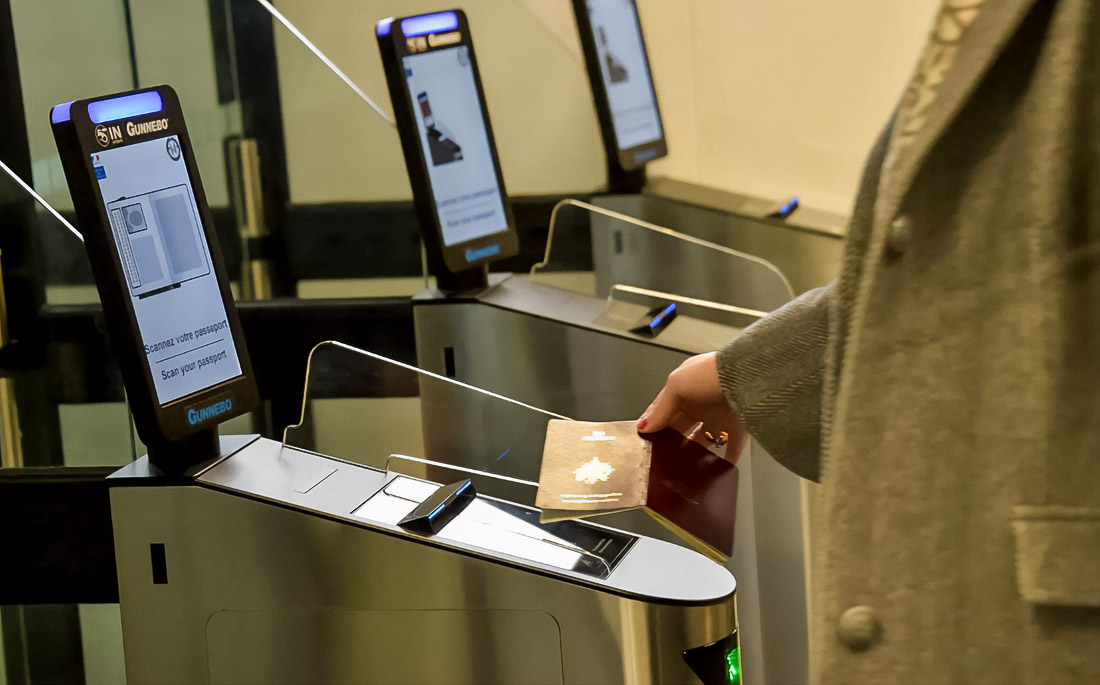
The check-in kiosk is a physical self-service point in the lobby that allows a guest to complete a full check-in or check-out cycle without the involvement of a front desk. Powered by hotel kiosk software, the process usually includes:
- Search for reservations by name, number, or QR code
- Identification of the guest through document scanning
- Proof of identity, sometimes using biometrics
- Payment for accommodation or remaining balance
- Issuing a physical or digital key
- Automatic update of the number status in the facility management system
The whole process takes from 1 to 3 minutes, which is several times faster than the classic check-in, which can take 4-5 minutes per guest at the reception.
Why Do Guests Choose to Check in on Their Own
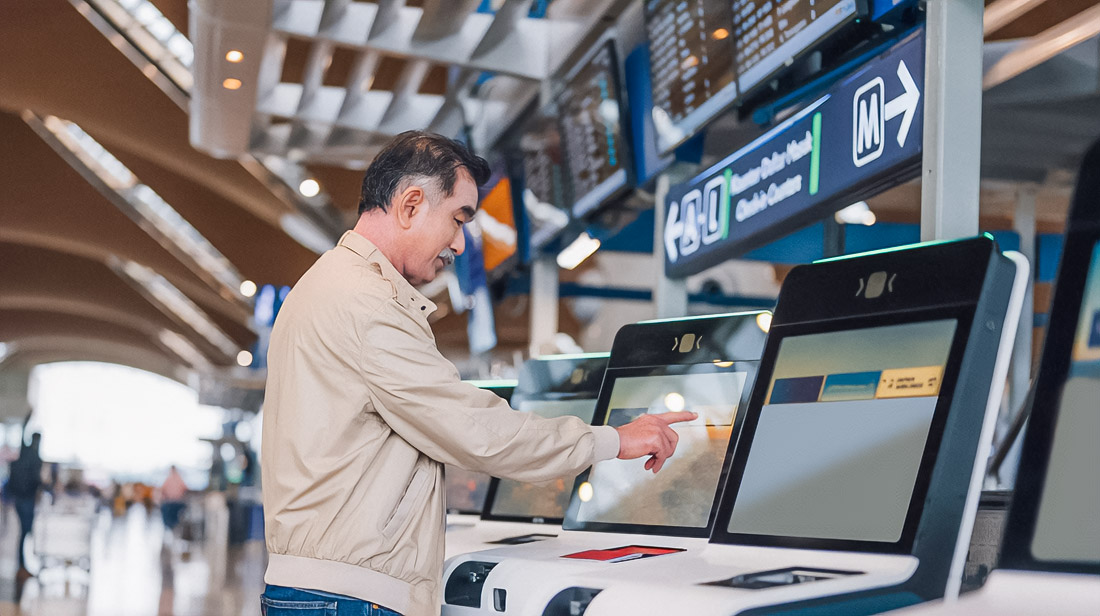
The main reason is time. After a flight or a long trip, guests do not want to stand in line and fill in the information that they already entered when booking. Self-service allows you to access the number immediately and avoid unnecessary contacts.
The second reason is privacy. Some travellers consciously prefer minimal interaction during check-in, especially for late arrivals or early departures.
The third reason is control. The guest chooses the pace, interface language, payment method and additional services. This increases the feeling of comfort and reduces stress.
The effect on the front desk and staff
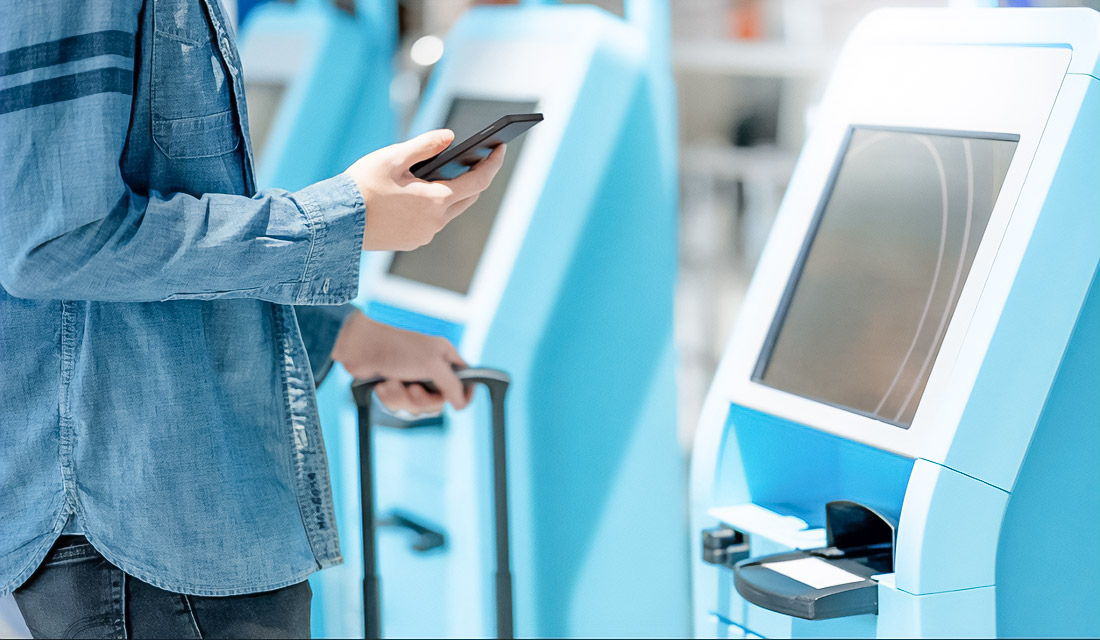
A common fear is that kiosks are replacing people. In practice, the opposite happens. An independent check-in takes over routine operations, and the staff is freed up for tasks where human contact is really important.
Hotels that have implemented check-in kiosks record:
- Reducing the load on the front desk by 30-50%
- Reducing the number of data entry errors
- Staff reallocation without staff increase
- The opportunity to abandon round-the-clock duty
The effect is especially noticeable during night rides. The 24/7 availability of the kiosk allows guests to check in without waiting and for the hotel to reduce dependence on night shifts.
Peak Load and Queue Management
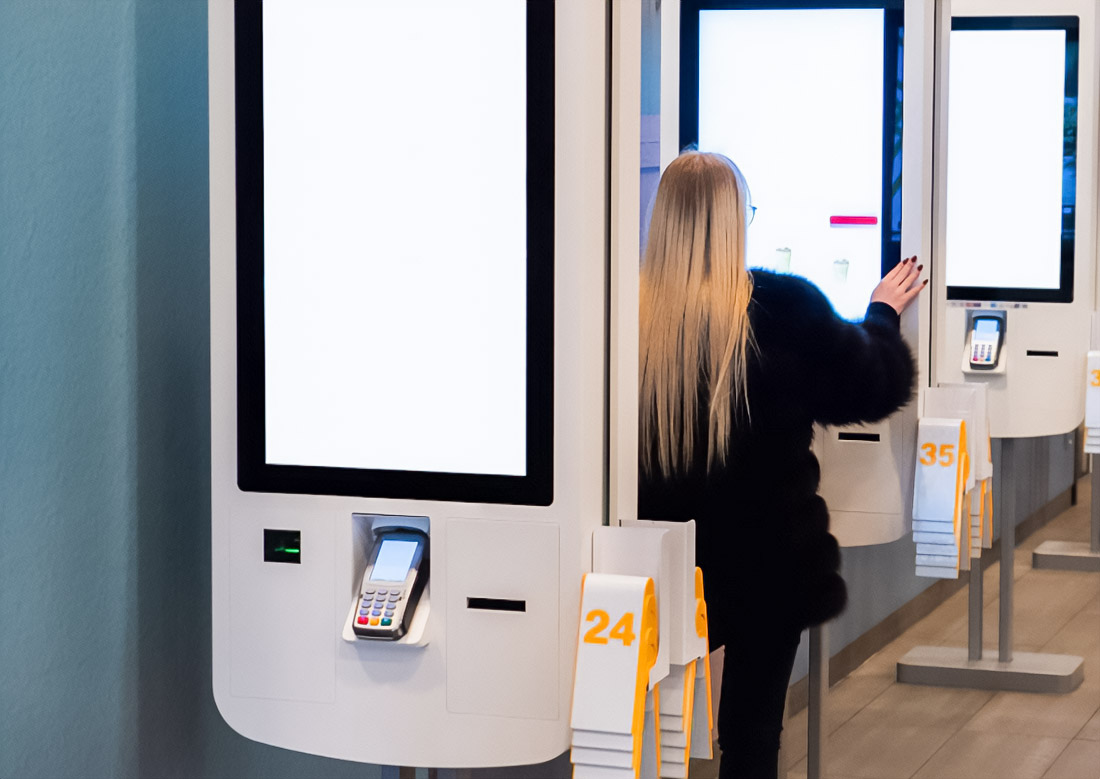
Most hotels face the same problems: massive arrivals in the afternoon and congested morning check-outs. It is at these moments that queues form, which directly affect ratings and reviews.
Self-check-in and automated check-out enabled by kiosk check in hotel systems allow hotels to:
- Distribute the flow of guests over time
- Reduce the load during peak hours
- Remove up to 20-30% of guests from queues due to online and kiosk check-out
- Accelerate the turnover of rooms and the operation of housekeeping
It is a well-known fact that waiting for more than 5 minutes can reduce guest satisfaction by up to 50%. Kiosks solve this problem not cosmetically, but systematically.
Integration With the Management System and Data Accuracy
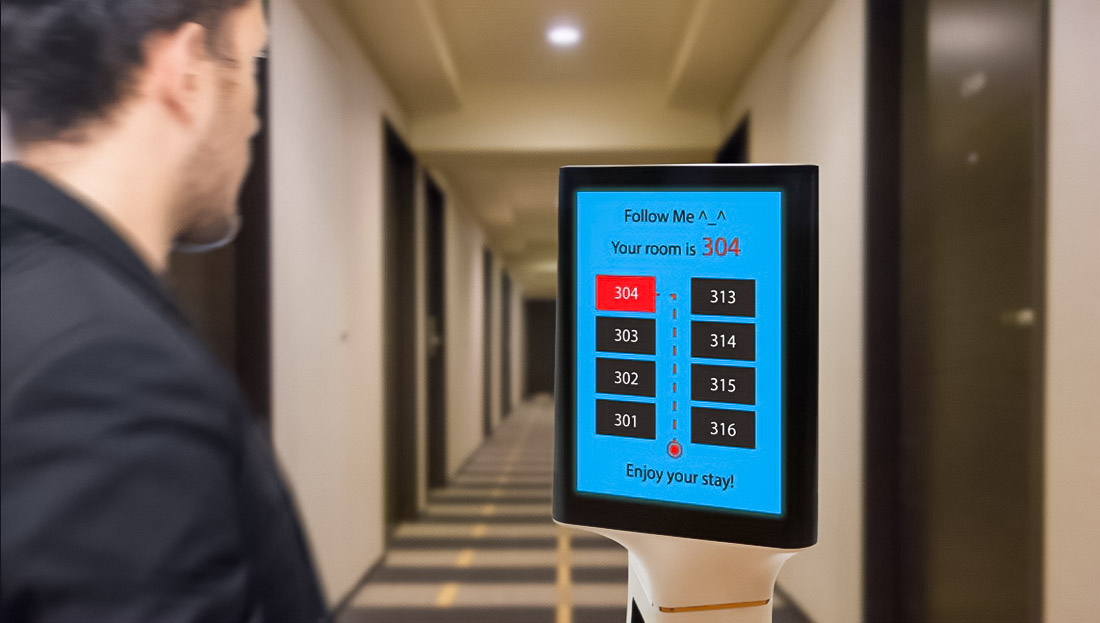
The key value of the kiosk is not the screen or the key printer, but the integration with PMS. All the guest’s actions are immediately reflected in the facility’s management system.
- The number changes its status in real time
- Housekeeping sees current employment
- Payments are recorded automatically
- The front desk receives a check-in confirmation
This reduces the human factor and eliminates typical manual input errors that often lead to conflicts, lost data, and inconsistent reports.
Payment, Security, and Trust
Modern kiosks support cashless payments, mobile wallets and international cards. Payment processing takes place using secure protocols, and guest data is stored in encrypted form.
In an environment where the average cost of a data breach is estimated at millions of dollars, security is no longer an option. That is why the issues of compliance with standards and correct identification of guests have become basic requirements, rather than additional functions.
Personalization and Additional Sales Without Pressure
Self-driving opens up new possibilities for personalisation. The kiosk can:
- Offer room upgrades
- Show additional services
- Take into account the past preferences of the guests
- Work in multiple languages
Research shows that self-service can increase the average check by up to 20%, because the guest makes a choice calmly, without feeling imposed upon.
Why Has Self-Driving Become the Standard
After the pandemic, more than half of the guests expect contactless check-in to remain a permanent practice rather than a temporary measure. At the same time, the industry is facing staff turnover rates above 70%, which makes automation not just convenient but necessary.
Independent check-in has ceased to be a “pleasant addition”. Today it is:
- Time management tool
- A way to reduce the burden on staff
- The solution for late and early arrivals
- The factor of increasing guest satisfaction
Self-check-in kiosks do not remove the human factor – they remove queues, mistakes and unnecessary stress. As a result, guests get speed and control, staff get the opportunity to focus on service, and the hotel gets a more sustainable operating model.
Self-service check-in is not a rejection of hospitality, but a way to bring it back to where it really matters.