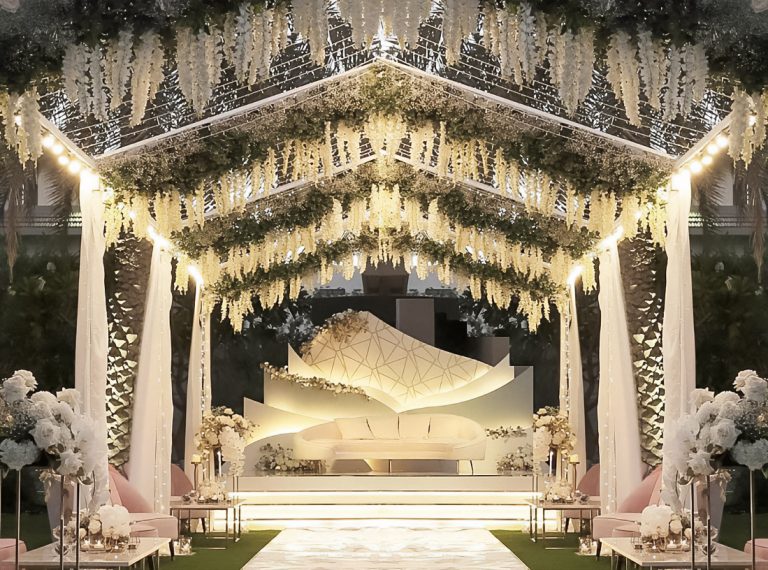
A wedding rarely boils down to a pretty picture. These are not just flowers, fabrics and candles, but a carefully constructed emotional scenario. Wedding design works with perception, plays on associations and creates an atmosphere in which guests feel like they are part of the couple’s story. Color psychology, textures, space layout, light, fragrance and sound form an inseparable canvas where every detail matters.
The Language Of Color
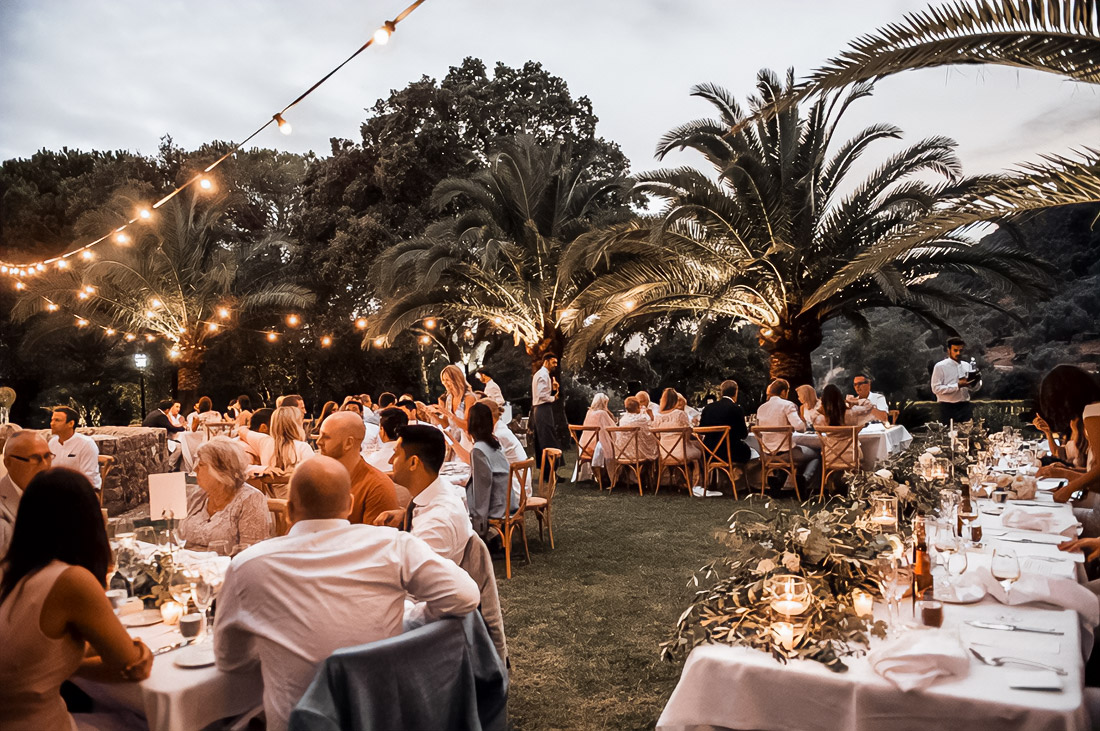
Color speaks faster than words. Red raises the pulse and increases arousal, it fills the atmosphere with passion and energy. Blue has the opposite effect: it reduces pressure, gives stability and peace of mind. Green is associated with harmony, balance and freshness, it is used for decoration with elements of nature. Yellow brings joy, enlivens communication, but when it is too much, it tires. Purple is luxury, imagination, mystery. White adds purity and space, while black brings strength and depth.
These associations are supported by facts. 77% of people feel happier in a scented hall, 68% feel more relaxed, and 52% are willing to stay longer. If you combine scents and a color palette, the effect becomes layered and more strongly fixed in the memory.
The Principles Of Palette Harmony And Balance
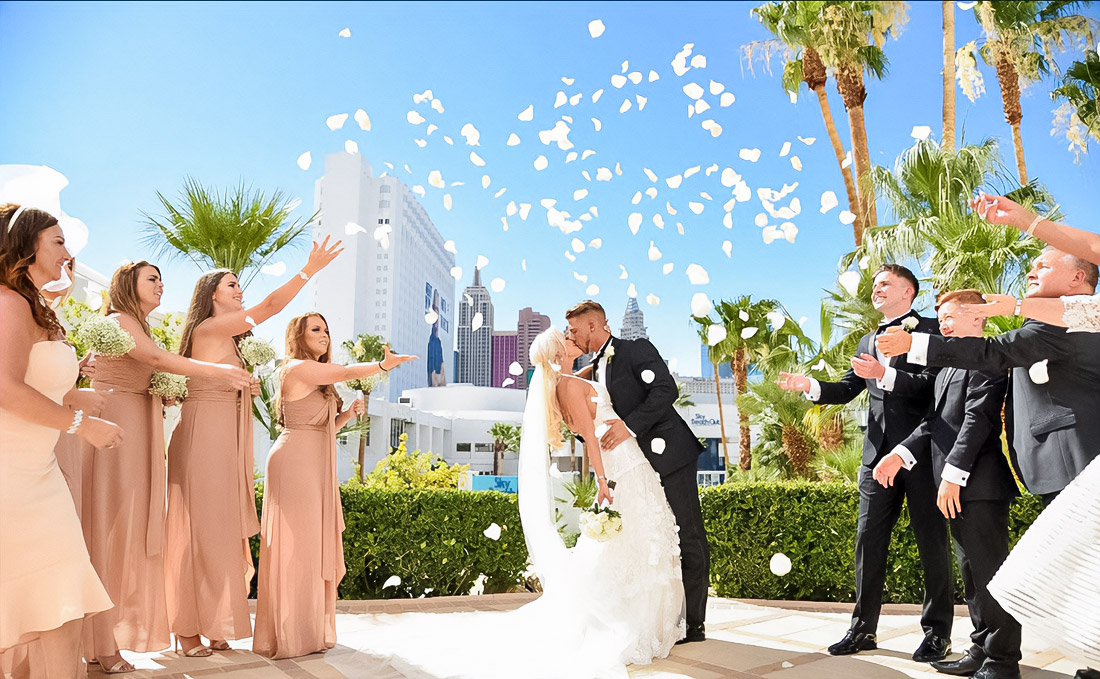
In wedding design, it is not enough to choose shades; their ratio is important. The 60-30-10 theory recommends highlighting 60% of the dominant color, 30% of the additional color, and 10% of the accent color. This formula creates harmony and maintains a balance of perception. So, pastel shades go well with neutral ones, and bright accents are favorably emphasized by soft backgrounds.
We must not forget about the contrast. WCAG standards require a ratio of at least 4.5:1 between text and background. This is especially important for wedding invitations, programs and plaques, where the perception of information directly depends on the color combination.
The Role Of Space In Emotional Architecture
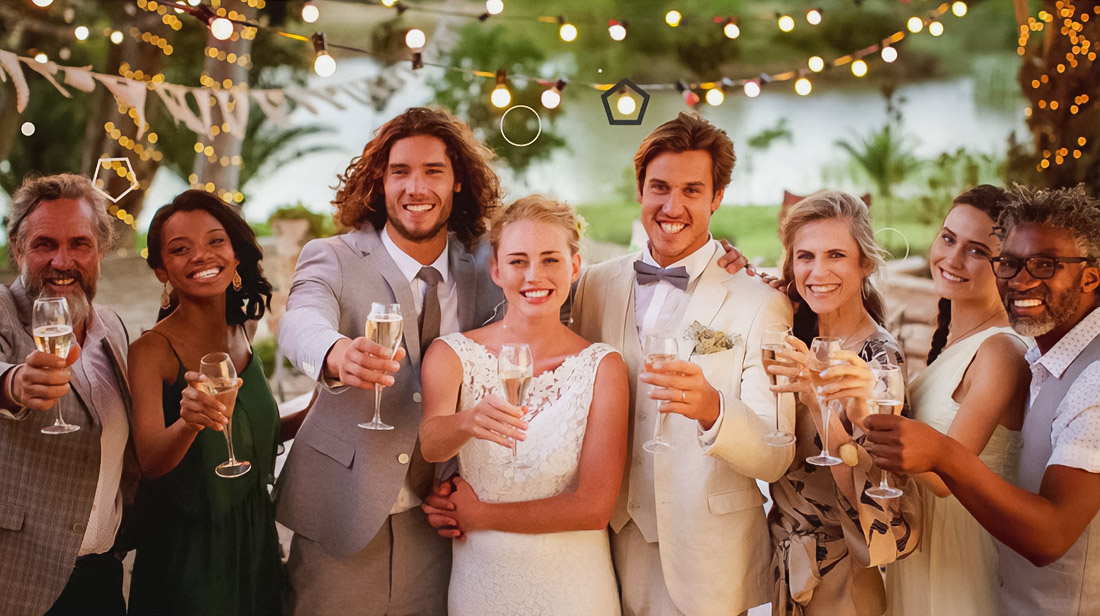
The layout of the hall is an emotion management tool. Seating arrangements and pathways shape the movement of the guests, creating the rhythm of the holiday. The open floor plan fills the atmosphere with energy, and the chamber areas create intimacy. Lighting plays the role of a catalyst: 97% of guests consider it the main mood factor. Warm light adds romance, dynamic lighting enhances the rhythm of dancing.
Sounds and smells reinforce the impression. Slow music evokes a feeling of comfort, fast compositions enliven communication. Scents act on memory directly, without the filters of consciousness. That’s why it’s so important to combine sound, color, and smell: it’s these sensory elements that turn an event into a memory.
The Importance Of Individualization And Symbolism
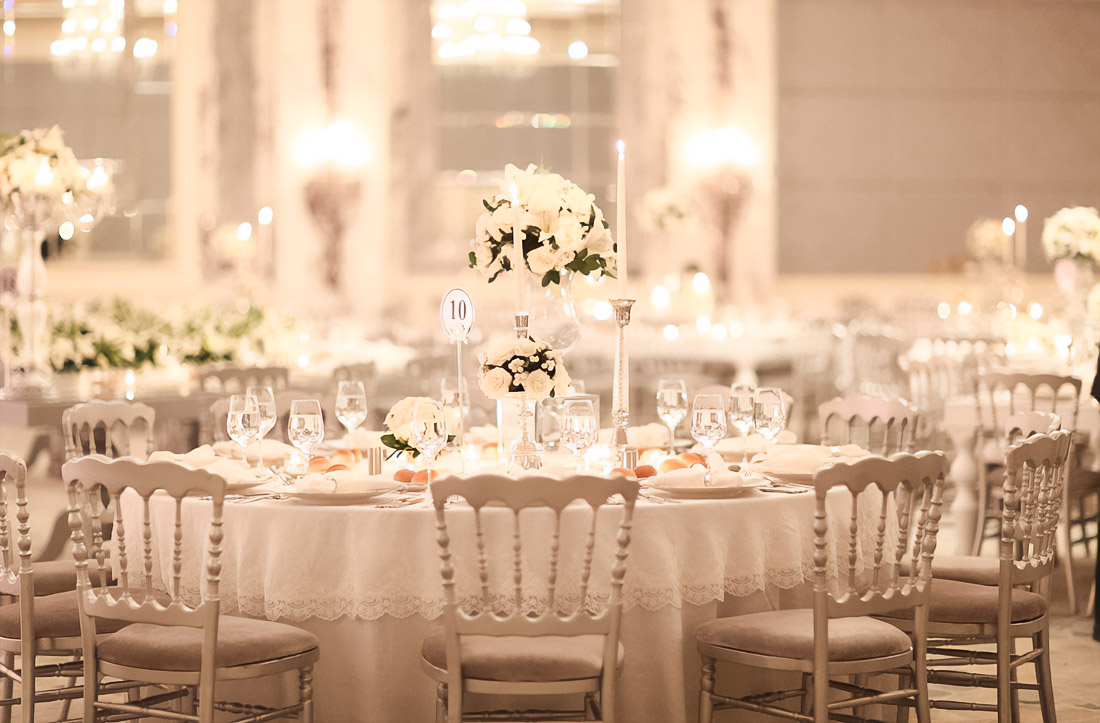
Wedding design gets deeper when it reflects a personal story. Photographs, family heirlooms, and decorative elements with symbolic meaning form a special level of engagement. Colors also work as symbols here: in the Western tradition, white means purity, in the eastern tradition, red means good luck and prosperity.
Customization makes the design not universal, but unique. Interactive zones, thematic details and accents related to the couple’s story transform the space into a story told through design. In many cases, personalization is especially valued at luxury wedding events, where guests expect every detail to speak not only of beauty but of meaning and emotional depth.
Wedding design is the psychology of perception expressed through color, light, sound and textures. A well-chosen palette manages the emotions of the guests, creates an atmosphere of harmony and balance, and individualization turns the event into a unique experience. There are no random details here: every fabric, every shade, every note becomes part of the overall composition. As a result, the wedding ceases to be a set of elements and turns into an emotional journey that the guests will remember for a long time.